$290 to $360 for a one-car door
Broken spring repair
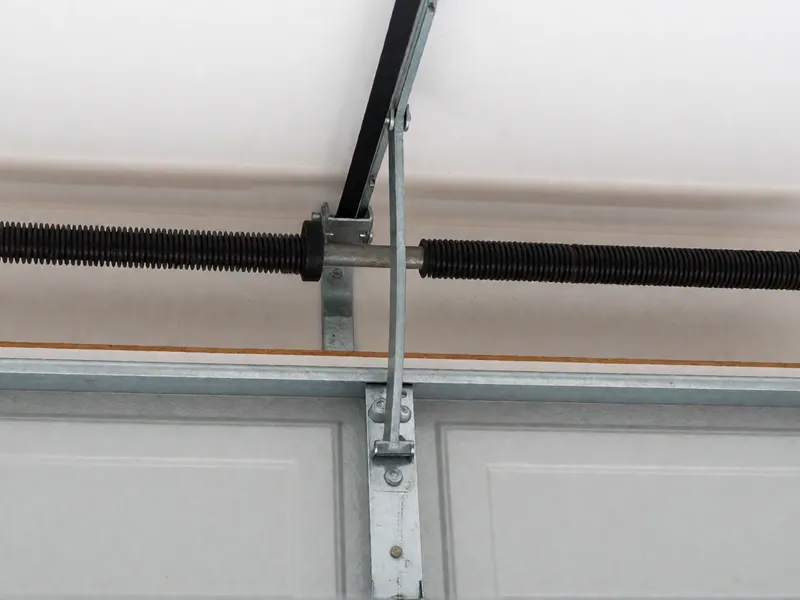
A torsion spring above the door or extension springs along the sides, replaced in pairs at a published price, and the door balanced again.
The first visit costs nothing, and you don't have to sign anything after it.
If someone is trapped or hurt, call 911. This website is not an emergency service.
37-32 61st Street, Woodside, NY 11377
New doors and openers
Every moving part looked at, the balance tested, the hinges and rollers lubricated, and the opener's reversing test run, at a published price.
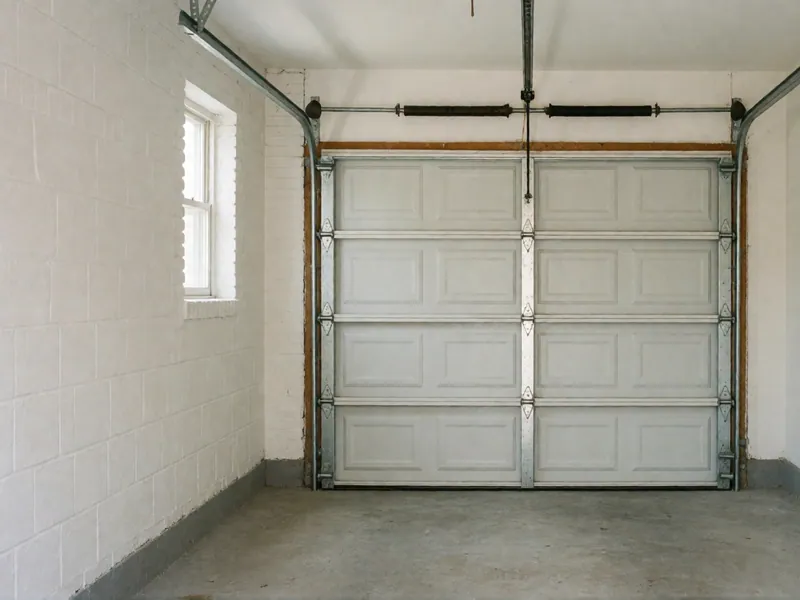
AI-generated illustration. Not a real home or business.
A tune-up is for a door with nothing wrong that anyone has noticed. Springs tire slowly, rollers wear, hinge bolts work loose with use, and a door can drift a long way out of balance before it feels any different to the person pressing the button.
The tune-up is where that is found, before the opener has spent a season straining against it.
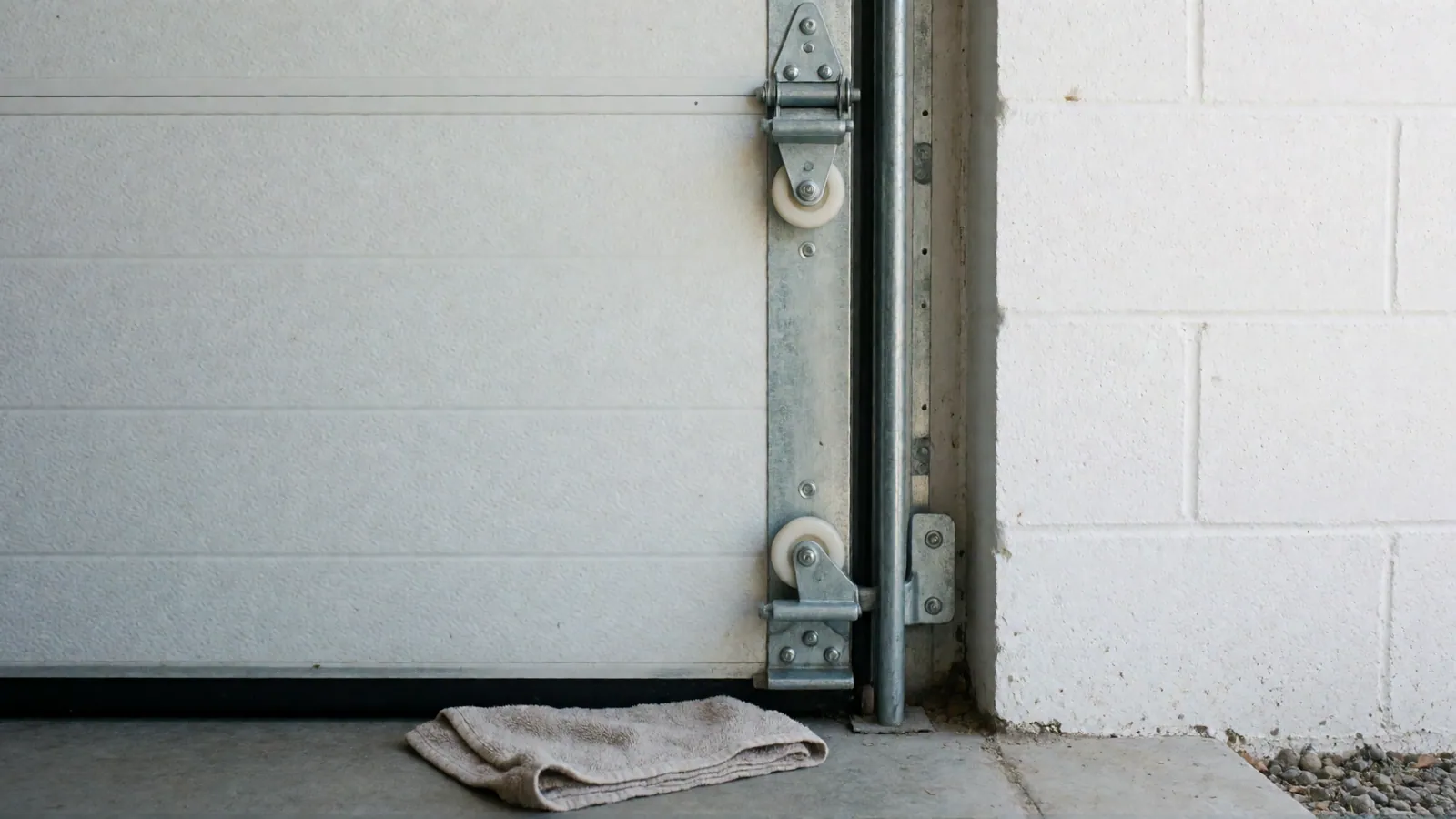
 AI-generated illustration. Not a real home or business.
The symptom check's list for a tune-up, in the order the technician works:
Every moving part, the door's balance, and the opener's reversing test, on a door that already works.
Whether either is broken, and whether the door is balanced once the opener is disconnected by the technician.
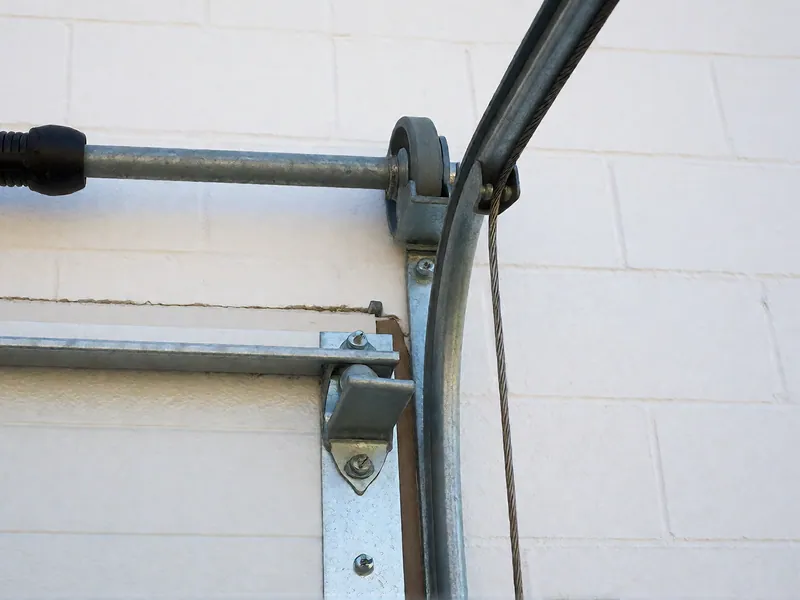
Both cables, from the drum at the top to the bracket at the bottom corner, for fraying, slack and how they sit in the grooves.
Worn bearings, cracked wheels, bent stems and loose hinge bolts, section by section.
Whether the two are lined up, clean and wired, and the reversing test with the opener.
Run by anyone who works on a garage door, its springs or its tracks. If the opener fails it, a DANGER label goes on the opener and you get written notice within ten days.
The balance test is the heart of it. With the opener disconnected by the technician, a door whose springs still match its weight stays where it is left, part of the way up; one that drifts down or climbs tells them the springs no longer do.
Then the rollers and hinges are lubricated and loose hinge bolts tightened, and the opener's travel and its reversing are tested on the door as it now runs.
New York's own law on garage door openers binds anyone who works on a garage door, its springs or its tracks: they test on site that the opener reverses, and if it fails they fix the law's DANGER label to it and give the owner written notice within ten days. Nobody may install an opener on a home without an automatic reverse and a safety sensor.
On every visit to a door with an opener, the symptom check puts that test last on the list, and a tune-up is no exception.
Once a month, the opener's manual asks you to watch the door close all the way and to test that it reverses when it meets something on the floor, such as a roll of paper towels laid flat, but never on a door whose spring or cable might be broken. Keep the sensors' lenses clean and the track clear of anything stored beside it. Everything else, from the springs and cables to the opener's force setting, is a technician's at a tune-up.
| The prices | One-car door | Two-car door |
|---|---|---|
| A repair to a house is taxable in New York City, and 8.875% is added to it on its own line. | ||
| A tune-up and safety check | $145 | $165 |
A tune-up is priced in writing at the first visit like any repair, under a contract, and done on a second visit after the three business days. If it finds a part worn past adjusting, the technician stops and gives you that part's published price in writing: it is a change to the contract, signed before it is done.
A price covers the parts and the work, the old parts taken away, and the balance and the reversing test run again before the technician leaves. It does not cover electrical work, such as a new outlet for an opener, which a licensed electrician does.
$290 to $360 for a one-car door
A torsion spring above the door or extension springs along the sides, replaced in pairs at a published price, and the door balanced again.
$175 for a one-car door
Both lift cables replaced, the drums and the bottom brackets checked, and the door set level again, at a published price.
$135 to $265 for a one-car door
The power, the sensors, the settings and the drive, in that order, and the reversing test before the technician leaves.
Try the symptom check: what would be looked at first, whether to stop using the door, and the published prices, in about two minutes. Sending it to us books nothing.