Before anybody comes
The symptom check: what is looked at first, and whether to stop
Say what your door is doing, and it answers with the parts a technician looks at, in order, whether to go on using the door, and the published prices of what it could turn out to need.
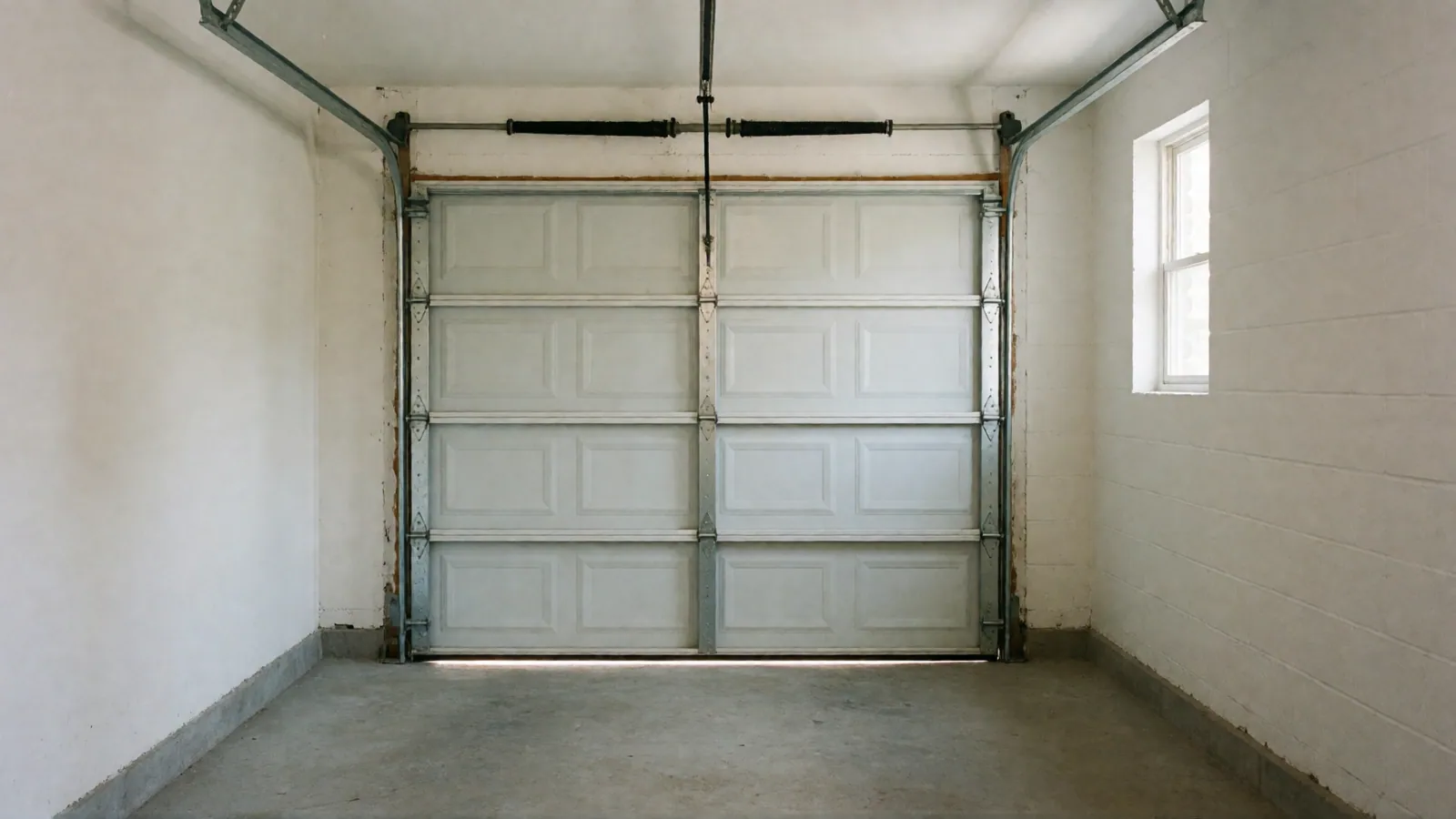
AI-generated illustration. Not a real home or business.
If someone is trapped or hurt, call 911. This website is not an emergency service.
How to answer it
Every question can be answered from the floor of the garage, with the door where it is now. None of them asks you to climb up to the springs, lift the door or run the opener to see what it does.
Where you can't tell, say so. A width you're not sure of is priced as a two-car door, the dearer of the two, and springs you can't place are priced both ways; the result says which of your answers it was unsure of, and the visit settles them.
If the door banged, dropped, went crooked or lost a cable, the answer will be to stop using it, and the check will offer nothing to try first. That is the answer it is built to give.
What the symptom check cannot know
Six things to keep in mind about a list made from answers.
- It has not seen your door and cannot know what is wrong with it: it reads only your answers.
- It never names a fault. It lists what a technician looks at, in the order they look.
- It never says a door is safe to use. It says when to stop, and it says it for anything a spring or a cable could be behind.
- It never tells anybody how to adjust, unwind or replace a spring or a cable. Nobody should.
- It does not plan one-piece doors, swing doors, roll-down gates, or doors at apartment buildings and businesses.
- It is not an estimate, and sending it books nothing.
The symptom check is not a diagnosis, an inspection, an estimate or a quote, and nothing on this site is an offer. It is a check-first list of what a technician would look at for what you describe, whether to stop using the door until then, and the published prices of what it could turn out to need. Nobody has seen your door: the price is given in writing at the first visit, before anything is done.
The check never tells you a door is safe. It has not seen it. It can only tell you when to stop using it, and it does that for every symptom a broken spring or a snapped cable can cause.
What it may suggest you check first
Some symptoms come from something an owner can check first without going near a spring or a cable, and the opener's own manual asks you to: a sensor lens with dust on it, a box in the sensors' beam, an opener unplugged, a wall control's lock switched on, a remote's flat battery. The check lists those where they apply, and none for a door it has told you to stop using.
- Wipe the two sensors' lenses with a soft dry cloth.
- Move anything standing between the two sensors, even a leaf or a box on the floor between them.
- If the light still flashes, leave the door closed or open as it is and wait for the visit; don't hold the wall button down to force it.
- Check that the opener is plugged in and that the breaker for the garage has not tripped.
- Check that the wall control's lock or vacation switch is off.
- Put a new battery in the remote.
When you have your list
The first visit costs nothing, and you don't have to sign anything after it. Nothing is done until you say yes and the three business days to cancel are over.